


Essential Maintenance Practices for Biochar Machine Operations
Maintaining a biochar machine in optimal condition is critical for achieving consistent production efficiency, product quality, and operational longevity. Unlike conventional equipment, biochar production involves high temperatures, abrasive feedstocks, and continuous thermal cycling, all of which impose unique mechanical and thermal stresses. A structured maintenance regimen not only minimizes downtime but also mitigates safety risks inherent in high-temperature operations.
Routine Inspection and Cleaning
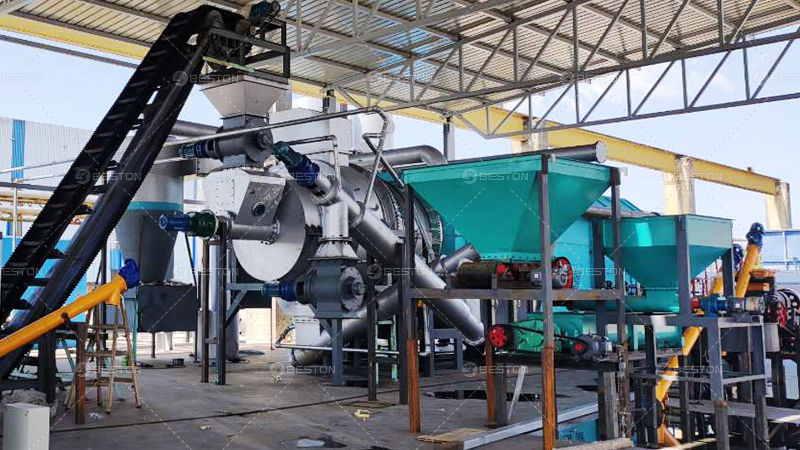
Daily inspections form the foundation of effective maintenance. Operators should examine critical components such as feed hoppers, rotary kilns, condensers, and exhaust systems for residue buildup, wear, or deformation. Biochar machine interiors are prone to tar and ash accumulation, which can obstruct material flow and reduce heat transfer efficiency. Regular cleaning using industrial brushes or pneumatic tools prevents blockages and maintains consistent thermal distribution.
Lubrication and Mechanical Components
A biochar pyrolysis machine relies heavily on moving components, including conveyor systems, rotary shafts, and bearings. Inadequate lubrication accelerates wear and can result in misalignment or mechanical failure. Establishing a lubrication schedule based on operating hours and environmental conditions is essential. High-temperature-resistant grease is recommended for components exposed to direct heat, ensuring that friction and metal fatigue are minimized.
Thermal Management
The high temperatures required for pyrolysis expose the biochar machine to thermal stress, potentially causing warping, cracking, or insulation degradation. Regular thermal inspections using infrared cameras or temperature sensors help identify hotspots and uneven heat distribution. Addressing anomalies promptly can prevent catastrophic failures and preserve reactor integrity. Additionally, maintaining proper airflow and thermal insulation reduces energy consumption and improves overall pyrolysis efficiency.
Ash and Residue Handling
Biochar production generates significant quantities of ash and fine particulate matter. Accumulated ash can interfere with rotary motion, block exhaust ducts, and cause abrasive wear on metallic surfaces. Implementing an automated or semi-automated ash removal system can reduce manual labor and enhance machine uptime. Periodic inspection of ash discharge points and exhaust filters ensures that flow remains unobstructed and prevents secondary equipment damage.
Electrical and Control Systems
Modern biochar machine installations often incorporate advanced control systems for temperature regulation, feed rate adjustment, and safety interlocks. Routine testing of sensors, wiring, and control panels ensures accurate feedback and prevents operational deviations. Moisture intrusion, dust accumulation, and vibration can degrade electrical components over time, necessitating periodic cleaning and verification of circuit integrity.
Safety Checks
The high-temperature environment, combined with combustible feedstocks, makes safety a paramount concern. Routine inspections should include pressure relief valves, emergency shutdown systems, and fire suppression mechanisms. Operators should verify that safety interlocks function correctly and that alarms and warning indicators are operational. Regular training on emergency procedures ensures that personnel respond effectively in case of system anomalies.
Scheduled Overhaul and Component Replacement
Even with meticulous routine maintenance, key components of a biochar machine such as kiln linings, seals, and bearings experience gradual wear. Scheduling major overhauls at predefined intervals—typically based on cumulative operating hours—prevents unexpected downtime and costly repairs. Replacement parts should meet manufacturer specifications to maintain machine integrity and efficiency.
Documentation and Record-Keeping
Maintaining detailed records of inspections, cleaning, lubrication, and component replacements is crucial. These logs facilitate trend analysis, helping operators identify recurring issues and optimize maintenance cycles. Proper documentation also supports warranty claims and compliance with industrial safety standards.


Comments