


Common Pitfalls to Avoid in Sawdust Pyrolysis Projects
Sawdust is one of the most widely available biomass feedstocks for pyrolysis, offering advantages such as consistent particle size, high availability from the wood processing industry, and strong potential for biochar production. Despite these benefits, many sawdust pyrolysis projects encounter operational and financial challenges because critical factors are underestimated during the planning stage.
Project success depends not only on selecting reliable equipment but also on understanding feedstock characteristics, process requirements, market demand, and long-term operational management. Identifying common pitfalls before construction can significantly improve project profitability and operational stability.
Underestimating Feedstock Quality Requirements
Assuming All Sawdust Performs Equally
Not all sawdust possesses identical physical or chemical properties. Differences in wood species, bark content, resin concentration, and moisture level directly influence biomass pyrolysis plant performance.
Common issues include:
Inconsistent biochar quality
Variable bio-oil yield
Fluctuating gas production
Unstable reactor temperature
Implementing a feedstock quality control program helps maintain consistent production and reduces process variability.
Ignoring Moisture Content
Fresh sawdust often contains substantial moisture. Excess water increases energy consumption because additional heat is required for evaporation before thermal decomposition begins.
Maintaining a stable moisture content improves:
Heating efficiency
Carbonization consistency
Product yield
Overall plant productivity
Installing appropriate drying equipment before pyrolysis is often a worthwhile investment.
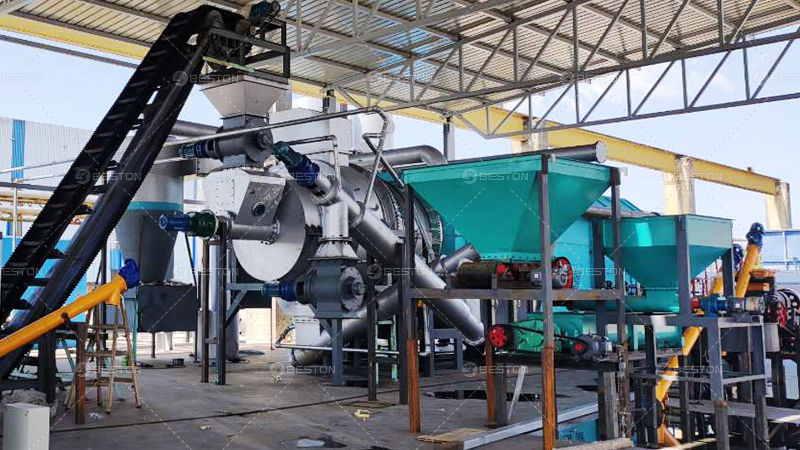
Selecting Equipment Based Solely on Capacity
Oversizing the Production Line
Many investors assume that larger equipment automatically delivers higher profitability. However, production capacity should align with feedstock availability and market demand.
Oversized systems may result in:
Low equipment utilization
Higher maintenance costs
Increased energy consumption
Longer investment payback periods
Capacity planning should be based on realistic operating conditions rather than theoretical maximum output.
Overlooking Equipment Reliability
Sawdust charcoal machine durability often has a greater influence on long-term profitability than initial purchase price.
When evaluating technology, attention should be given to:
Reactor construction quality
Thermal insulation performance
Automation capability
Maintenance accessibility
Spare parts availability
Reliable equipment minimizes downtime and reduces lifecycle costs.
Neglecting Heat Management
Uneven Temperature Distribution
Sawdust has a low bulk density, making uniform heat transfer more challenging than with denser biomass.
Poor thermal management may cause:
Incomplete pyrolysis
Excessive tar generation
Reduced biochar quality
Higher energy consumption
Well-designed reactors provide consistent temperature profiles and controlled residence time throughout the process.
Failing to Recover Process Energy
Pyrolysis generates combustible gases that can often be reused as a supplemental heat source.
Projects that neglect energy recovery typically experience:
Higher fuel consumption
Increased operating expenses
Lower overall thermal efficiency
Integrating gas recycling systems can significantly improve project economics.
Ignoring Market Requirements Before Production
Producing Without a Sales Strategy
A technically successful project may still struggle financially if product markets are not established before commissioning.
Potential revenue streams include:
Biochar
Bio-oil
Process gas utilization
Carbon credit opportunities in eligible markets
Each market has different quality specifications, making customer requirements an important consideration during project design.
Overestimating Product Value
Market prices vary according to biochar properties, certification standards, application sectors, and regional demand.
Conducting realistic market research helps prevent overly optimistic financial projections.
Underestimating Maintenance Requirements
Delaying Preventive Maintenance
Continuous exposure to elevated temperatures and abrasive biomass gradually wears mechanical components.
Key equipment requiring routine inspection includes:
Feeding systems
Conveyors
Bearings
Seals
Burners
Temperature sensors
Preventive maintenance reduces unexpected shutdowns and extends equipment life.
Ignoring Tar Accumulation
Tar deposits may gradually restrict gas flow and reduce heat transfer efficiency if condensation systems and pipelines are not cleaned regularly.
Establishing scheduled inspection intervals helps maintain stable operation.
Overlooking Environmental Compliance
Delaying Permit Applications
Environmental approvals often require considerable time before construction and commissioning can begin.
Depending on local regulations, projects may require:
Air emission permits
Environmental impact assessments
Waste management approval
Fire safety authorization
Beginning the permitting process early helps prevent costly project delays.
Inadequate Emission Control
Even biomass-derived processes generate emissions that must comply with environmental standards.
Proper emission management may include:
Cyclone separators
Thermal oxidizers
Dust collection systems
Gas cleaning equipment
Compliance protects both operational continuity and corporate reputation.
Insufficient Automation and Process Monitoring
Relying Excessively on Manual Operation
Manual process control often leads to inconsistent reactor conditions, especially during extended operating periods.
Modern facilities benefit from automated monitoring of:
Reactor temperature
Pressure
Feed rate
Gas flow
Oxygen concentration
Automation improves product consistency while reducing operator workload.
Limited Data Collection
Production data provides valuable insight into process optimization.
Monitoring historical operating trends enables operators to identify efficiency losses before they become significant operational issues.
Weak Operational Management
Inadequate Workforce Training
Even highly automated systems require knowledgeable operators capable of responding to changing process conditions.
Training programs should include:
Equipment operation
Maintenance procedures
Process optimization
Emergency response
Quality control
Well-trained personnel improve both productivity and operational reliability.
Lack of Standard Operating Procedures
Clearly documented operating procedures reduce variability between shifts and establish consistent production practices throughout the facility.
Standardization also simplifies troubleshooting and maintenance planning.
Building a Resilient Sawdust Pyrolysis Project
Successful sawdust pyrolysis projects are built on comprehensive planning rather than equipment selection alone. Feedstock preparation, thermal efficiency, preventive maintenance, market analysis, environmental compliance, and operational discipline all contribute to long-term project performance.
By recognizing common pitfalls before implementation, investors and operators can reduce technical uncertainty, improve production stability, and achieve stronger economic returns. A systematic approach that integrates engineering excellence with sound management practices provides the strongest foundation for sustainable and profitable sawdust pyrolysis operations.


Comments